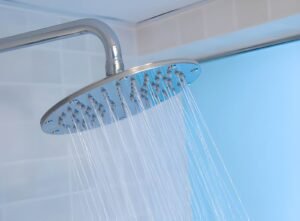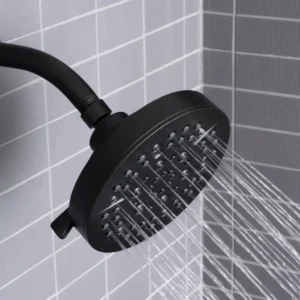
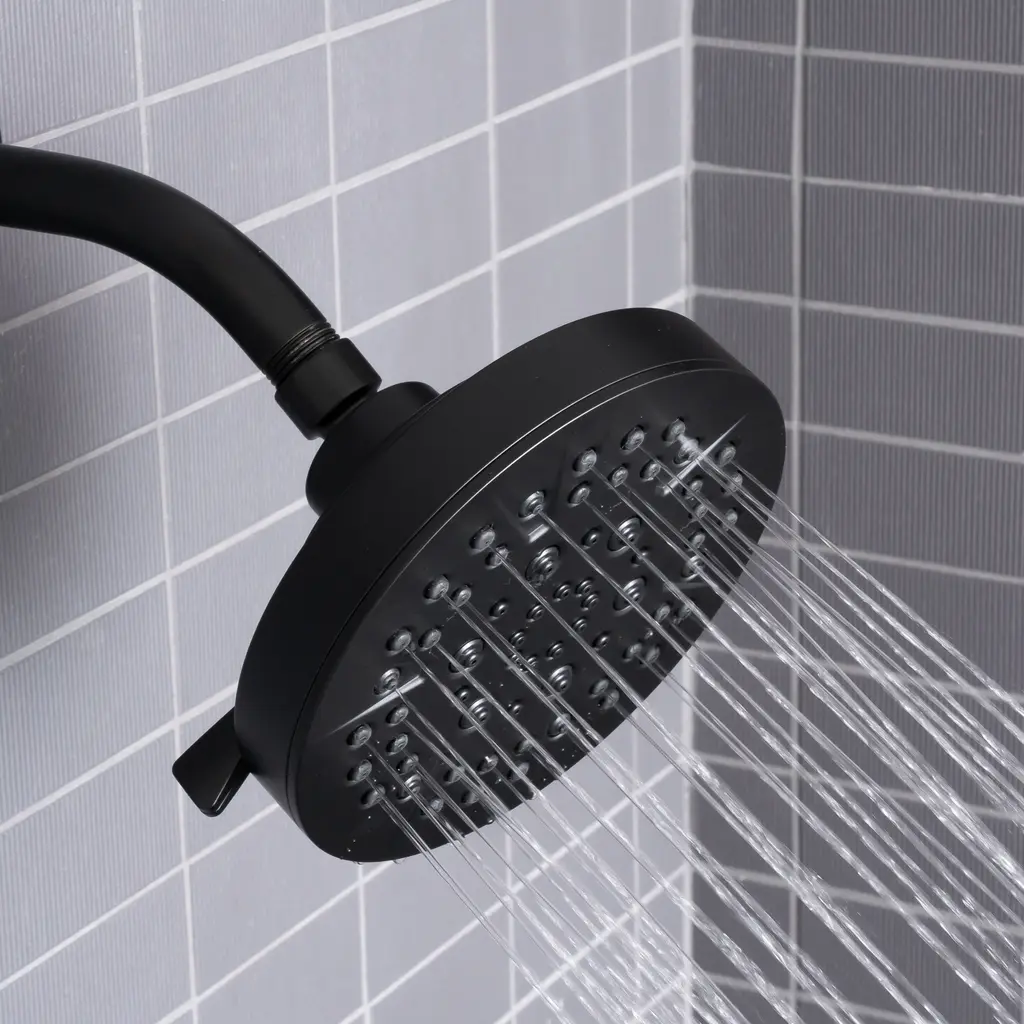
Choosing the right shower head filter is one of the easiest ways to improve your daily shower experience. With so many options available, it is important to understand what a filter is designed to do before making a purchase. The best filter for a shower head in the UK should match your water concerns, maintain good water pressure, and be easy to install and maintain.
This guide explains the key features to look for, how shower filters work, and what to consider before buying one for your home.
A shower head filter is designed to filter water before it reaches your skin and hair. Depending on the filtration media used, it can help reduce chlorine, sediment, odours, and certain impurities commonly found in treated water. Many people choose a shower filter to improve the feel of their shower water and support healthier-looking skin and softer-feeling hair. <Cite refs={[“turn0search16″,”turn0news21”]}/>
Unlike a whole-house water treatment system, a shower head filter only works at the shower where it is installed.
Before choosing a shower filter, identify what you want to improve.
If your main concern is chlorine, look for a filter that clearly states its chlorine reduction performance. If you live in a hard water area, understand that most standard shower filters are designed to reduce chlorine and some impurities, but they do not completely remove calcium and magnesium, which cause true water hardness. <Cite refs={[“turn0search15″,”turn0news18”]}/>
Knowing your water quality helps you choose a filter with realistic benefits instead of relying on marketing claims.
Activated carbon is commonly used to reduce chlorine and improve water odour. It is a popular choice for everyday shower filtration.
KDF filtration uses a copper-zinc media that helps reduce chlorine and certain heavy metals. It is often combined with other filtration materials for better overall performance. <Cite refs={[“turn0search16″,”turn0news21”]}/>
Many shower filters combine activated carbon, KDF, calcium sulfite, and other filtration materials. Multi-stage filtration can target several substances, but a higher number of stages does not always mean better filtration quality. <Cite refs={[“turn0search14″,”turn0search16”]}/>
Choose a filter that specifically mentions chlorine reduction and explains how it works. This is one of the most useful features for improving shower water quality. <Cite refs={[“turn0search16″,”turn0news21”]}/>
A quality filter should maintain a comfortable water flow while providing effective filtration. Check product specifications for flow rate before buying.
Every shower filter cartridge has a limited lifespan. Compare how long cartridges last and how often they need replacement. This affects the long-term cost of owning the filter.
Most shower head filters are designed to screw onto a standard shower connection without specialist tools. Choosing an easy-to-install model saves time and makes cartridge replacement simpler.
Always check whether replacement cartridges are widely available. A good filter becomes less useful if replacements are difficult to find.
Many buyers assume a shower filter softens hard water, but this is not always true.
A shower filter is mainly designed to reduce chlorine and certain impurities at the shower point. A water softener is a separate system that removes calcium and magnesium throughout the home’s water supply. <Cite refs={[“turn0search15″,”turn0news18”]}/>
If hard water is your biggest concern, choose a product with clear information about what it is designed to reduce.
Replacement depends on water usage and the manufacturer’s recommendations. Most shower filter cartridges need replacing every 3 to 6 months to maintain effective performance. <Cite refs={[“turn0news21″,”turn0search14”]}/>
Signs that your filter may need replacing include:
Regular maintenance helps keep filtration working as intended.
Avoiding these mistakes can help you choose a filter that delivers better long-term value.
Choosing the best filter for a shower head in the UK starts with understanding your water quality and selecting the right filtration technology. Look for chlorine reduction, reliable filtration media, good water pressure, easy installation, and affordable replacement cartridges.
A well-maintained shower head filter can improve the quality of your shower water and make your daily shower routine cleaner, fresher, and more comfortable.