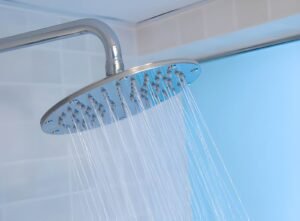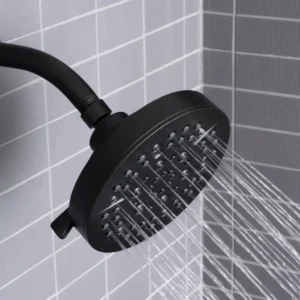
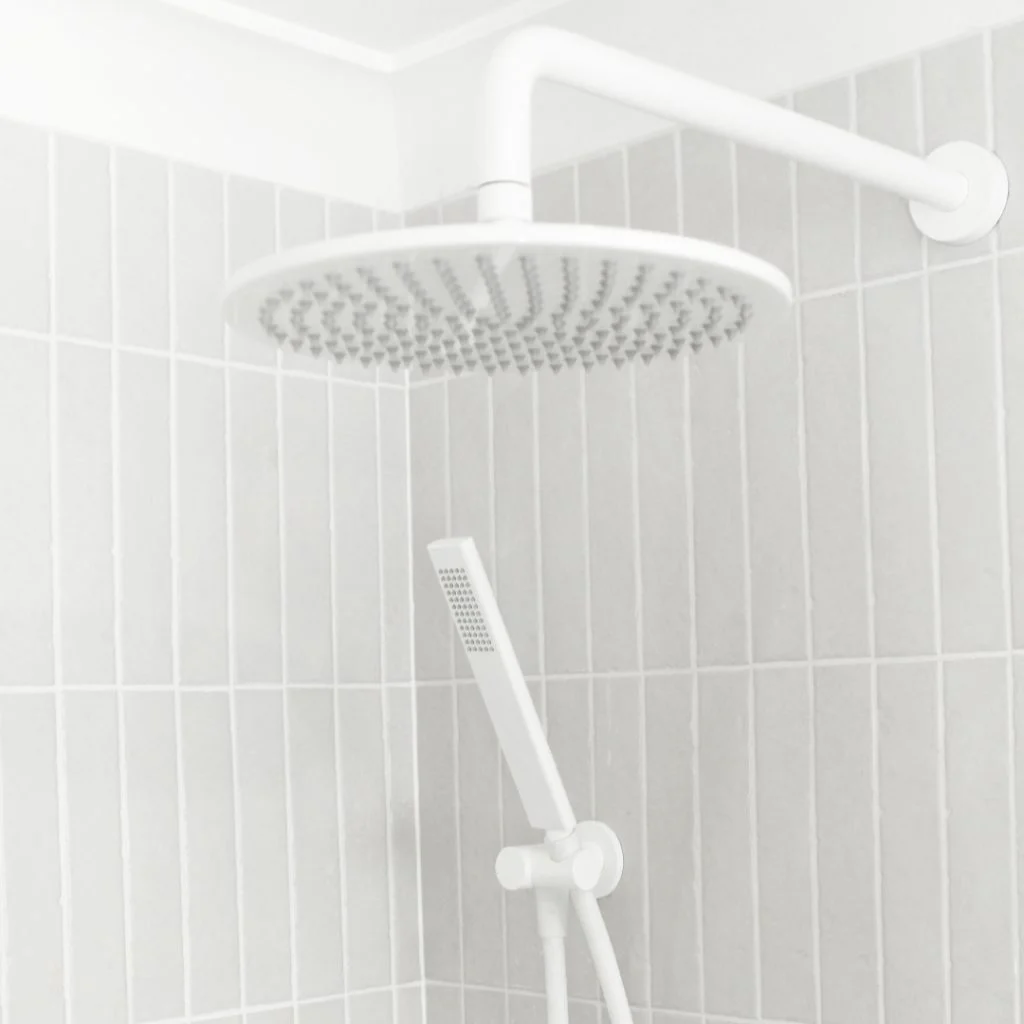
Hard water can make showering less enjoyable, particularly when you notice limescale around your shower head, dry-feeling skin, or hair that feels rough after washing. This has led many households to consider installing a filter for shower head in the UK for hard water.
However, choosing the right filter requires some understanding of what shower filters can actually do. Most standard shower filters are designed to reduce chlorine and certain impurities rather than completely remove the calcium and magnesium minerals that cause water hardness.
Hard water contains dissolved minerals, mainly calcium and magnesium. When water evaporates, these minerals can leave behind limescale deposits on shower heads, glass, taps, and other bathroom surfaces.
Hard water can also affect the way soap, shampoo, and conditioner work. Some people find that their skin feels dry or their hair feels rough after repeated exposure.
Because hard water and chlorine are different issues, it is important to choose a filtration system based on the specific problem you want to address.
This is the most important question to ask before buying.
A conventional shower filter generally does not soften hard water in the same way as a dedicated water softener. Calcium and magnesium are the minerals responsible for hardness, and removing them typically requires a proper softening process.
A shower filter can still be useful in a hard-water home. Many products are designed to reduce chlorine, sediment, and certain other substances that may contribute to an unpleasant shower experience.
Therefore, if your main concern is dry skin, rough hair, or chlorine odour, a shower filter may be worth considering. If your primary concern is severe limescale throughout your home, a dedicated water-softening system may be more suitable.
Check which filtration materials are used inside the filter.
Common options include:
The number of filtration stages is not as important as the quality and purpose of the filtration media.
Chlorine is one of the main substances targeted by shower filters. If you are mainly concerned about chlorine smell, dry-feeling skin, or rough hair, look for a filter with clear chlorine-reduction information.
For additional confidence, check whether the complete shower filtration system has relevant independent certification. NSF/ANSI 177 specifically covers shower filters certified to reduce free available chlorine.
A filter should provide filtration without making your shower uncomfortable.
Check the manufacturer’s recommended flow rate and make sure the product is suitable for your existing water pressure. Some filters can restrict flow as the cartridge becomes clogged or reaches the end of its useful life.
Filter replacement is an ongoing cost, so check the expected cartridge lifespan before purchasing.
Consider:
A filter with a slightly higher purchase price can offer better value if replacement costs are reasonable.
You generally have two options.
A filtered shower head combines the shower head and filtration system in one product. It can be a convenient choice if you are already planning to replace your shower head.
An inline shower filter sits between the shower connection and your existing shower head. This is useful if you already like your current shower head and simply want to add filtration.
Both designs can be suitable, so choose based on your shower setup and personal preference.
A suitable filter may help reduce chlorine and other targeted substances that can affect how shower water feels.
Some people report that filtered water leaves their skin feeling more comfortable and their hair feeling softer or easier to manage. However, results vary depending on water conditions, filtration technology, skin type, hair type, and personal-care habits.
A shower filter should therefore be considered a supportive bathroom upgrade rather than a guaranteed solution for every skin or hair concern.
When comparing the best filter for a shower head in the UK for hard water, focus on the actual problem you want to solve.
If you want to reduce chlorine, choose a product with appropriate chlorine-reduction filtration. If limescale is your biggest concern, remember that a standard shower filter may not remove the hardness minerals responsible for it.
Also compare water flow, cartridge lifespan, installation, maintenance, filtration media, and independently verified performance.
The best filter for a shower head in the UK for hard water depends on your specific needs. A good shower filter can reduce chlorine and certain impurities, potentially making shower water more comfortable for your skin and hair.
However, it is important not to confuse filtration with water softening. If your main problem is calcium and magnesium hardness or extensive limescale, a dedicated softener may be the more appropriate solution.
For everyday shower filtration, choose a well-designed filter with suitable filtration media, good water flow, a practical cartridge lifespan, and clear performance information. Regular cartridge replacement will also help maintain consistent filtration over time.