Water filtration is a critical part of many households in the UK. With concerns about chlorine, sediments, heavy metals, and other impurities in tap water, many homeowners turn to devices like a shower filter in UK bathrooms or a filtered shower head. These filters help improve water quality for bathing, but it’s important to understand that not all filtered water is suitable for drinking. Many people assume that water filtered for the shower is safe to drink, which can be a misconception with potential health implications. This article explains why filtered shower water should not be consumed, the differences between drinking water filters and shower filters, and why a shower filter in UK can dramatically improve skin and hair health without making the water potable.
How Shower Filters Work
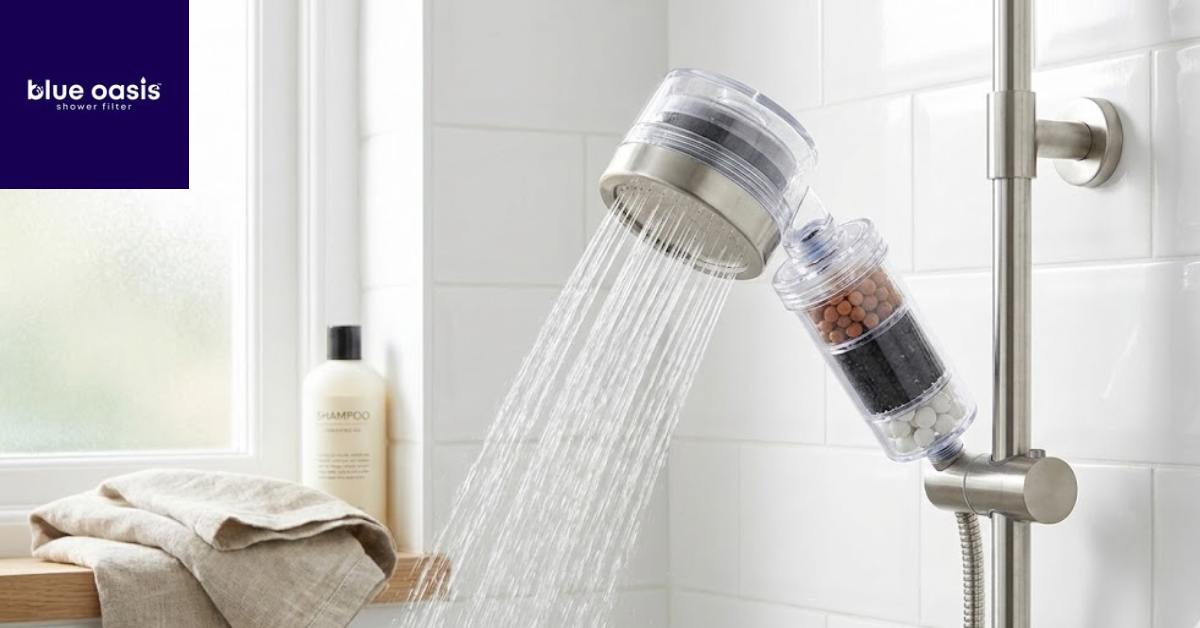
A filtered shower head works by removing certain impurities from water, focusing primarily on elements that impact skin and hair. Typical filtration mechanisms include activated carbon, KDF (Kinetic Degradation Fluxion), mineral balls, and Vitamin C cartridges. These are designed to reduce chlorine levels, neutralize heavy metals like lead or copper, and remove sediments and limescale. While these systems are highly effective for bathing, they are not certified to remove bacteria, viruses, or harmful microorganisms that may be present in tap water. This is a key reason why filtered shower water is not considered safe for drinking.
Differences Between Drinking Water Filters and Shower Filters
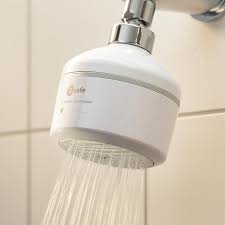
It’s essential to understand that ashower filter in UK is very different from a drinking water filter in design and purpose:
Feature
Shower Filter / Filtered Shower Head
Drinking Water Filter
Main Function
Protect skin and hair from chlorine and minerals
Make water safe for consumption by removing pathogens and chemicals
Filtration Layers
Usually 3–10 layers, targeting chlorine, limescale, and sediments
Often 10–20+ layers, including reverse osmosis or UV treatment for bacteria removal
Microbial Removal
Does not remove bacteria or viruses
Designed specifically to remove microorganisms
Certification
Cosmetic or bathing standards
Drinking water safety standards (NSF, WRAS, etc.)
A filtered shower head focuses on improving the feel and quality of water for external use, whereas drinking water filters are engineered to ensure safety for ingestion.
Why You Should Avoid Drinking Shower Water
Drinking water filtered by a shower filter in UK can pose health risks for several reasons:
Microbial Contamination: Shower filters are not equipped to remove bacteria, viruses, or parasites that may exist in your tap water. Drinking unprotected water may lead to gastrointestinal illnesses.
Chemical Residues: Some filters reduce chlorine and limescale, but other chemicals like pesticides, pharmaceuticals, or industrial contaminants remain.
Filter Lifespan and Maintenance: Shower filters often require replacement after 3–6 months. Beyond this period, bacterial growth can occur inside the filter, increasing the risk if consumed.
Purpose-Built Design: Shower filters are made for external use, meaning they optimize skin and hair health, not human digestion safety.
Benefits of Using a Shower Filter in UK
Even though you shouldn’t drink water from a filtered shower head, these devices provide remarkable benefits for bathing:
Healthier Skin: Reduces dryness, irritation, and redness caused by chlorine and hard water minerals.
Softer Hair: Removes limescale and mineral deposits, making hair smoother, shinier, and easier to manage.
Improved Scalp Health: Helps prevent dryness and flakiness caused by mineral buildup.
Reduced Bathroom Limescale: Minimizes hard water deposits on tiles, taps, and showerheads.
More Comfortable Showers: Water feels softer, with better lathering of soaps and shampoos.
Types of Shower Filters in the UK
Vitamin C Filters: Neutralize chlorine and improve skin and hair softness.
KDF Filters: Remove heavy metals and control bacteria growth in the shower.
Activated Carbon Filters: Reduce chlorine and organic chemicals effectively.
Multi-Stage Shower Filters: Combine several filtration techniques for optimal bathing water quality.
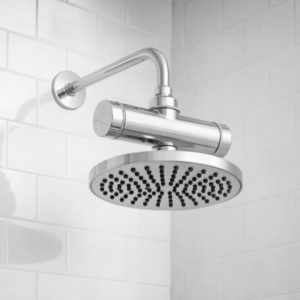
Inline Shower Filters: Compact filters that attach between the shower arm and hose for easy installation.
Conclusion
While a shower filter in UK or a filtered shower head greatly improves the quality of water for bathing, it is not suitable for drinking due to its limited ability to remove microorganisms and chemical contaminants. Using it as a cosmetic or hygiene device enhances skin, hair, and overall shower comfort. For safe drinking water, it is essential to use a dedicated drinking water filter certified for consumption. Understanding the difference between filtered shower water and potable water ensures you reap the benefits of a shower filter without risking your health. Proper installation, maintenance, and timely replacement of cartridges will maximize the advantages of your filtered shower head while keeping your household safe.